|
Getting your Trinity Audio player ready…
|
Researchers Are Worried
Staff Report –
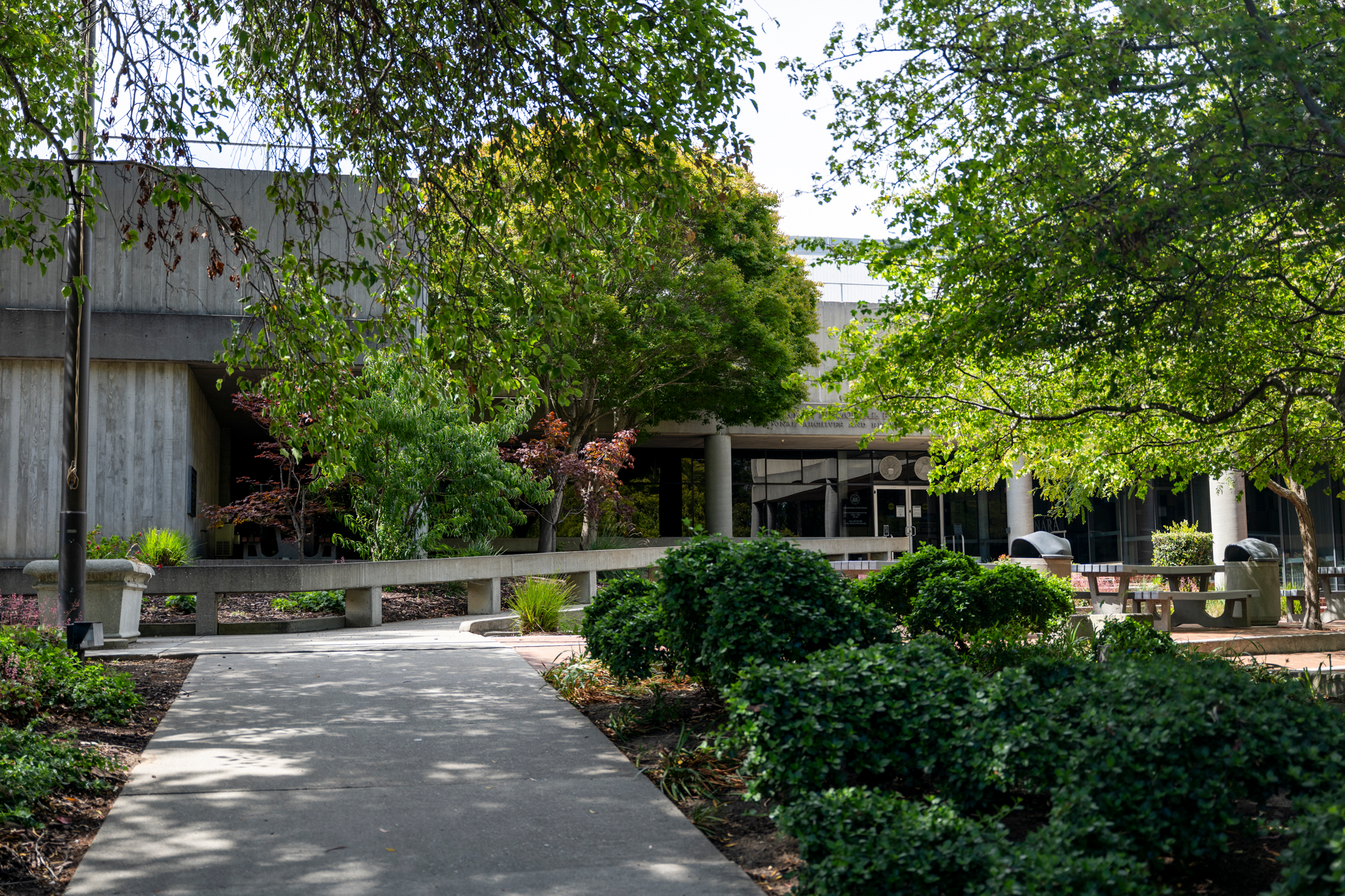
The Trump administration plans to close the National Archives office in San Francisco, along with another in Chicago, according to reporting from KQED.
An email to staff on Wednesday obtained by the station said the move would begin “within the next few months.”
The National Archives at San Francisco, located just south of the city in San Bruno, holds more than 75,000 cubic feet of immigration, court and genealogical records, some dating back to before California became an official state.
The archival holdings include documents from federal agencies spanning Northern California, Guam, Hawaii, Nevada and American Samoa.
The National Archives and Records Administration has not provided details on how or where these records will be relocated, and so far federal officials have not respond to requests for comment.
“This just feels like an attack on access to key government records,” said Kris Kasianovitz, library director at the Institute of Governmental Studies Library at UC Berkeley. “They are there in order to provide evidence for the historical record for the long-term.”
The Bay Area collection includes original immigration and court records for United States v. Wong Kim Ark, a landmark case which reaffirmed citizenship under the 14th Amendment, along with Alcatraz inmate records of Al Capone, Machine Gun Kelly and others, and Bruce Lee’s immigration records to San Francisco.
The email to staff said the effort could improve “efficiency and effectiveness,” and that the move would support “the long-term financial health and viability of the Federal Records Centers Program’s revolving fund,” which has supported the operation of facilities across the country since it was established in 1999.
Cost-cutting has been an excuse to close other regional facilities in recent years. In 2024, the federal agency announced it would shut down centers in New York, Illinois and Ohio to save more than $5 million in facility costs per year. Some of the records were digitized while others were relocated to other centers.
But an anonymous source close to the matter told KQED that some records — especially those related to Indigenous tribes — cannot be digitized because they contain private information and cannot be released online.
These documents are particularly important when trying to enroll in an Indigenous tribe, a process that often requires extensive genealogical data to prove ancestry.
Caitlin Keliiaa, an associate professor of history at UC Santa Cruz, said she has worked with staff at the San Bruno facility for research on Native women domestic workers in San Francisco. She has also used it to track her own family history, including obtaining records of her grandparents’ enrollment in the Stewart Indian School, a boarding school in Carson City, Nevada.
“I literally don’t know what to do,” she said. “What will happen with these records? What will happen with my grandparents’ records? What will happen with the records of all the Native peoples whose lives I’ve looked into in the past several years?”
According to the email sent to staff, the records will be relocated to other facilities, though it did not specify where they will go. Regardless, Keliiaa said she has relied on the archivists in each facility, who often become experts on the records within their collection. And, she said, it’s important for these records to be easily accessible.
“The idea is that these should be available to your average person,” she said. “They should be able to go in and say, I need to verify my grandfather’s identity or my great-grandfather’s history. That’s what these repositories are for.”
There is precedent for these closure decisions to be reversed. In October 2019, the National Archives announced plans to sell its facility in Seattle to remain in compliance with a federal statute requiring agencies to identify opportunities for the government to reduce inventory of civilian real property.
The sale was expected to take 18 months. However, in the 15 months following the announcement, state and national lawmakers and representatives from local tribes urged the federal agency to reverse its decision. In April 2021, the U.S. Office of Management and Budget, which had previously approved the sale of the property, reversed its decision.
“This is of vital importance to transparency, accountability, even if it comes 10 and 20 years later,” Kasianovitz said. “If you start getting rid of this material, if you don’t make it accessible … then it’s as good as lost.”
Reporting from KQED in San Francisco.
__
If you like this story and independent radio service you can help Fund Yosemite Radio, KNHA 100.9 FM with GoFundMe.