The California Department of Water Resources (DWR) wrapped up its late-February snow survey with mixed results: conditions had improved slightly from January, but warm winter storms triggered significant low-elevation snowmelt, keeping statewide water levels well below average.
David Rizzardo, hydrology section manager at DWR, said reaching 100% of average by April 1 would require several additional feet of accumulation — particularly across the Northern Sierra, home to California’s largest reservoirs. “Even with more storms in March, that much snow accumulating in a single month is very unlikely,” he said.
Snowpack functions as California’s largest natural reservoir, gradually releasing water into rivers and lakes through spring. It typically accounts for roughly a third of the state’s annual water supply. When it falls short, reservoirs can struggle to sustain communities through the long, dry summer months.
Rizzardo noted that over the past 25 years, no year with snowpack at or below current levels this late in the season has ever fully recovered to the April 1 average. Some years added 15–20%, but the roughly 30% needed now has never materialized in the historical record.
Forecasts from the National Weather Service offer little comfort — above-normal temperatures and below-average precipitation are expected through at least mid-March. Meanwhile, snow that had built up just two weeks ago is already gone across much of the Sierra, with weather observers noting exposed terrain where several feet of coverage stood recently.
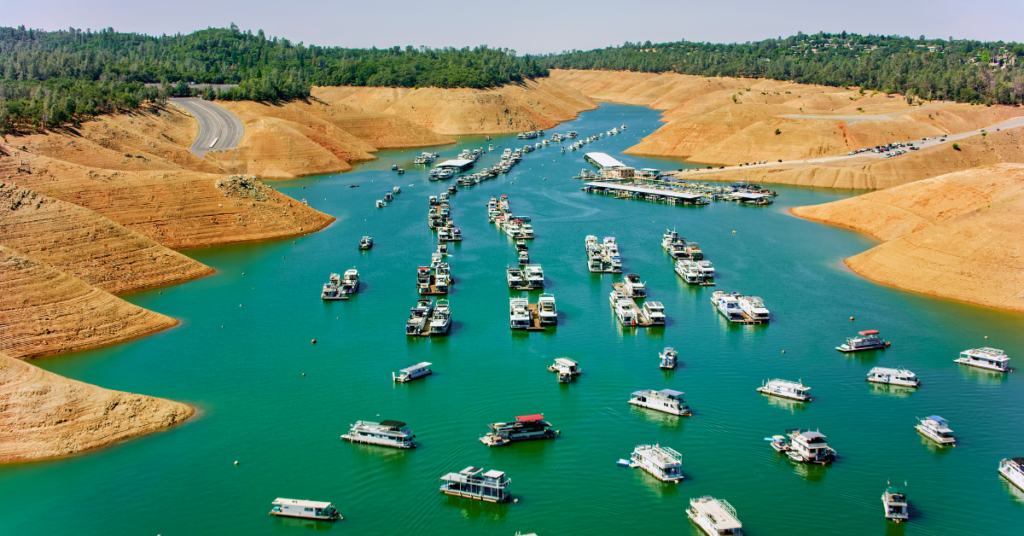
Despite all this, California’s major reservoirs are currently sitting at or above historical averages for this time of year — for now.
Leave a Reply