By DEE-ANN DURBIN and MATT SEDENSKY, Associated Press
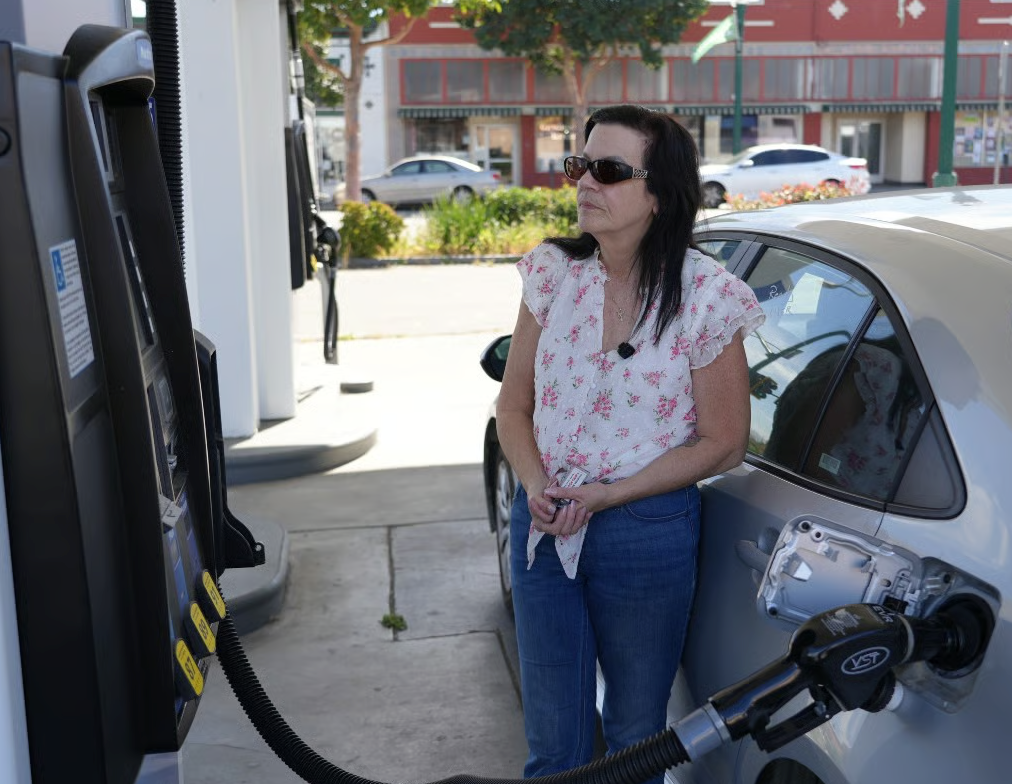
It used to cost her around $25 to fill up her Toyota Corolla. She’s spent closer to $40 since the Iran war began and pushed up the average U.S. price for a gallon of regular gasoline by $1. Sherman-Shafer, a retired dental office assistant who picks up Uber passengers five days a week, said she’s putting in extra hours to cover the difference.
“We don’t get reimbursed for gas. We rely on the generosity of the tip,” Sherman-Shafer said. Some passengers have tipped more to compensate for higher gas prices, but most don’t tip at all, she said.
Driving a car, van or truck is a big part of many Americans’ workdays. Nearly 27% of civilian workers cited driving as a physical demand of their jobs last year, according to the U.S. Bureau of Labor Statistics. Millions of drivers use personal vehicles for their work, from delivery and ride-share providers like Sherman-Shafer to self-employed electricians, nannies, home health care aides and real estate agents.
As the war enters a fifth week and continues to disrupt global oil supplies. many of those workers are now scrambling to make ends meet. The national average price for gas reached $3.99 per gallon on Monday, up 34% from a month earlier, according to AAA.
“With everything going up, it’s impossible to save a dime,” Sherman-Shafer said.
Some companies compensate employees for using their own vehicles, including the cost of gas. In the U.S., the Internal Revenue Service sets a standard mileage rate every year that businesses and private contractors can use to calculate tax deductions. Alpine Maids, a housekeeping company based in Denver, pays cleaners the 2026 federal reimbursement rate of 72.5 cents per mile for the distance they drive to clients’ homes.
But with gas prices spiking, that money is not going as far, said Chris Willatt, a former geologist who now runs Alpine Maids.
“Our maids drive their own cars, so it’s kind of like their paycheck got smaller,” Willatt said. “They’re all upset.”
Willatt said he reduced how often maids must report to the office, from daily to once a week, and rejiggered cleaning assignments so employees aren’t driving as far between clients. If gas prices climb further, he said he might increase what he charges customers so he can pay workers more.
Read the full story here CapRadio.Org.